
by
Share
By Greg Vigoren, DDS
Struggling with chipped, discolored, or damaged teeth? Choosing between porcelain veneers and dental crowns can feel confusing. At Vigoren Restorative Dentistry in Newport Beach, CA, I’ve guided patients for nearly five decades through this decision with advanced technology and a patient-first philosophy. This guide explains the differences, evidence-based survival rates, and when each option makes the most sense for a lasting, beautiful smile.
TL;DR
- Porcelain veneers excel in cosmetic enhancements for otherwise healthy teeth. A systematic review shows survival rates of ~91–95% at 10 years (PubMed).
- Dental crowns provide full coverage for damaged or weakened teeth, restoring strength and function. Ten-year survival varies by material: ~95% for metal-ceramic, ~80–85% for all-ceramic (Wiley Review).
- Choose veneers for cosmetic refinements (color, shape, minor chips); choose crowns for structural protection after decay, fracture, or root canal.
- Personalized evaluation with a restorative dentist ensures the right choice for longevity and esthetics.
Porcelain Veneers: Minimally Invasive Cosmetic Solutions
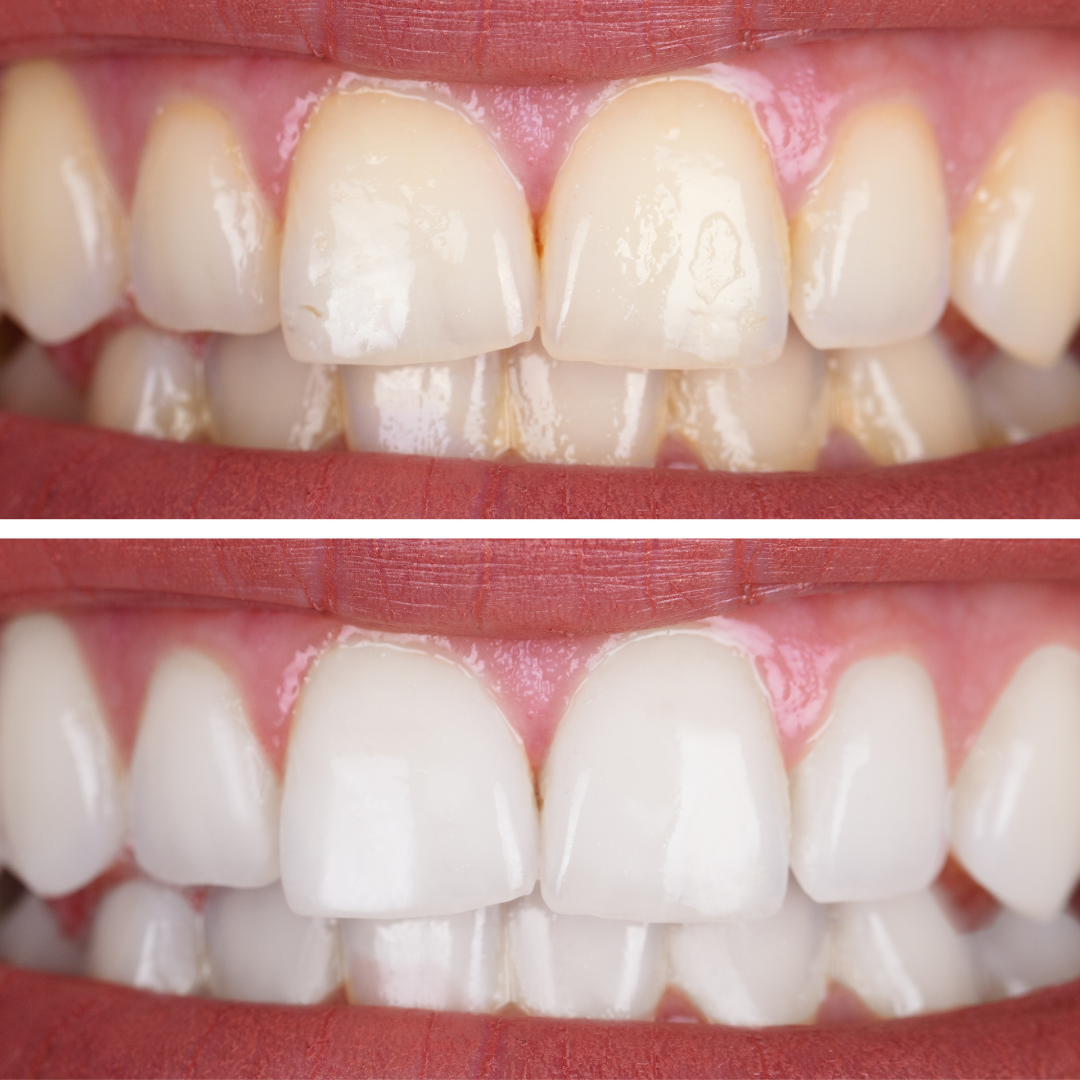
Porcelain veneers are thin ceramic shells bonded to the front of teeth. They correct imperfections like discoloration, small chips, gaps, or uneven shape with minimal tooth reduction. Studies show veneers are durable: 10-year survival rates of ~91–95% and 20-year survival of ~83% for feldspathic porcelain (PubMed systematic review).
Dental Crowns: Full Coverage for Restorative Strength
Dental crowns encase the entire visible tooth, making them ideal for severe decay, large fillings, cracks, or after root canal therapy. Crowns restore shape, size, bite, and strength. Evidence shows 10-year survival rates of ~95% for metal-ceramic crowns and ~80–85% for all-ceramic crowns (systematic review). With proper care, crowns can protect teeth for decades.
Key Differences: Cosmetic vs. Structural Needs
- Veneers: Primarily cosmetic, preserve more natural tooth, excellent for esthetic cases.
- Crowns: Restorative, provide full coverage, best for compromised teeth needing strength.
When to Choose Porcelain Veneers
Veneers are best when teeth are structurally sound but need esthetic improvements—such as discoloration, spacing issues, or minor chips. They offer high survival when properly placed and maintained.
When to Choose Dental Crowns
Crowns are recommended when teeth have extensive damage or structural weakness. They restore chewing function and protect teeth from further fracture or decay. Crowns are especially appropriate for molars and root-canal-treated teeth.
Expert Guidance for the Right Choice
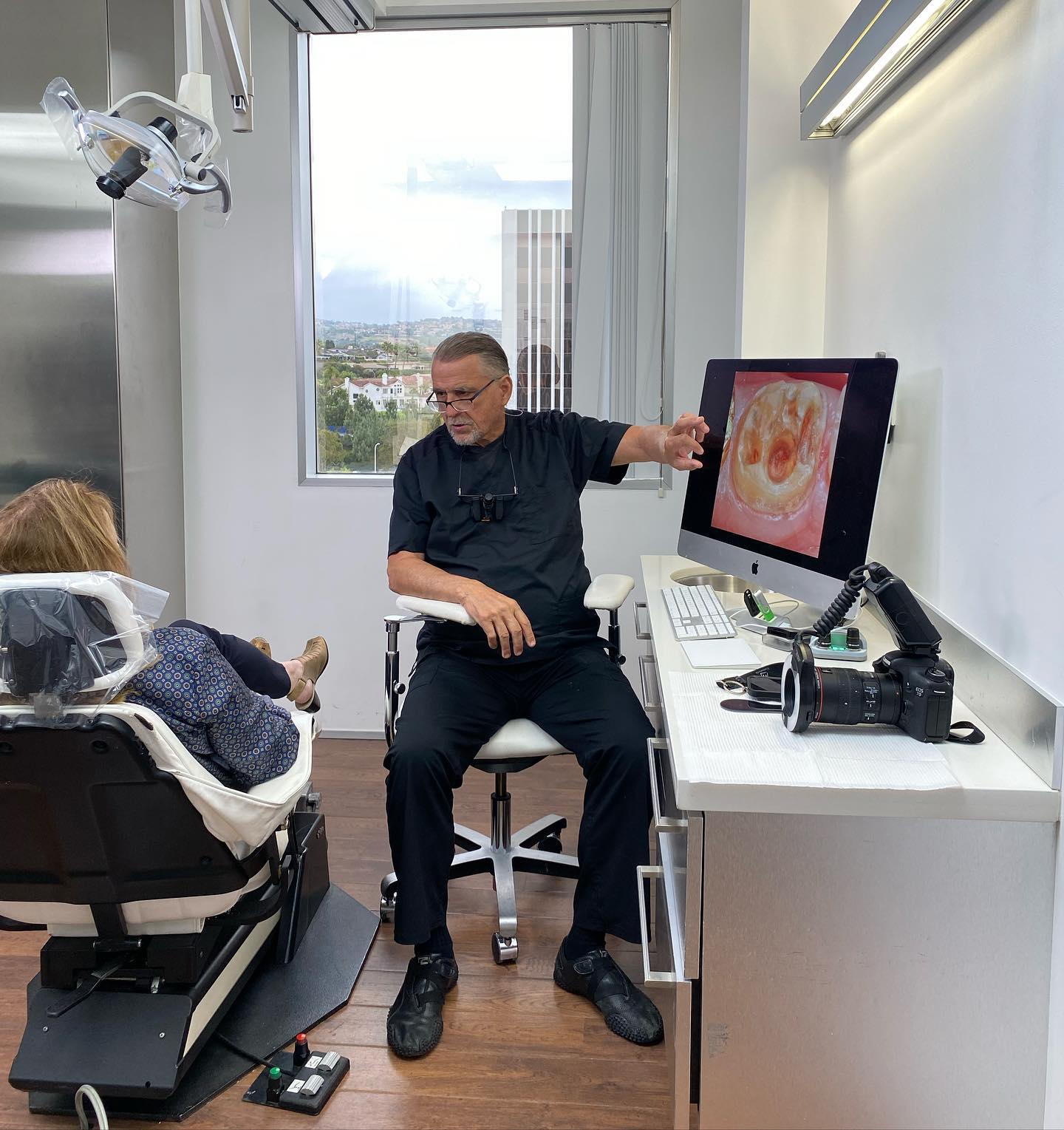
According to the American Dental Association, indirect restorations like crowns and veneers are chosen based on tooth structure, esthetics, and long-term prognosis. At Vigoren Restorative Dentistry, we integrate high-magnification and digital imaging to customize solutions, ensuring gentle preparation and long-lasting results.
FAQs
What’s the main difference between veneers and crowns?
Veneers cover only the front surface for cosmetic results, while crowns encase the entire tooth for strength and durability.
How long do veneers last?
Veneers can last 10–20 years, with studies reporting ~91–95% survival at 10 years (systematic review).
How long do crowns last?
Metal-ceramic crowns show ~95% survival at 10 years; all-ceramic crowns around 80–85% at 10 years (Wiley Review).
Which is more minimally invasive?
Veneers are more conservative, requiring less tooth reduction than crowns.
Next step: Whether you’re considering veneers for cosmetic reasons or crowns for restorative strength, schedule a consultation with Vigoren Restorative Dentistry or call (949) 760-1152 to find the right solution.
Disclaimer: This article is for informational purposes only and does not constitute medical advice. Individual results may vary. Please consult a licensed dentist for diagnosis and treatment.
Author Bio
Greg Vigoren, DDS has practiced restorative dentistry in Newport Beach for nearly 50 years. A fellow in esthetic dentistry, he pioneered high-magnification tools and emphasizes precision, longevity, and patient-centered care.
By Greg Vigoren, DDS In Newport Beach, where professional networking and social life are part of the week, a confident smile matters. At Vigoren Restorative Dentistry, we design full smile makeovers that blend esthetics with function—often sequencing veneers, crowns, whitening, and Invisalign®—and we plan everything with digital smile design, high-magnification photography, and bite-focused diagnostics. Here’s
By Greg Vigoren, DDS Severe tooth pain or infection can make it hard to know what to do next. Should you save the tooth with a root canal or remove it entirely? At Vigoren Restorative Dentistry in Newport Beach, CA, Dr. Greg Vigoren draws on nearly 50 years of clinical experience to help you choose the